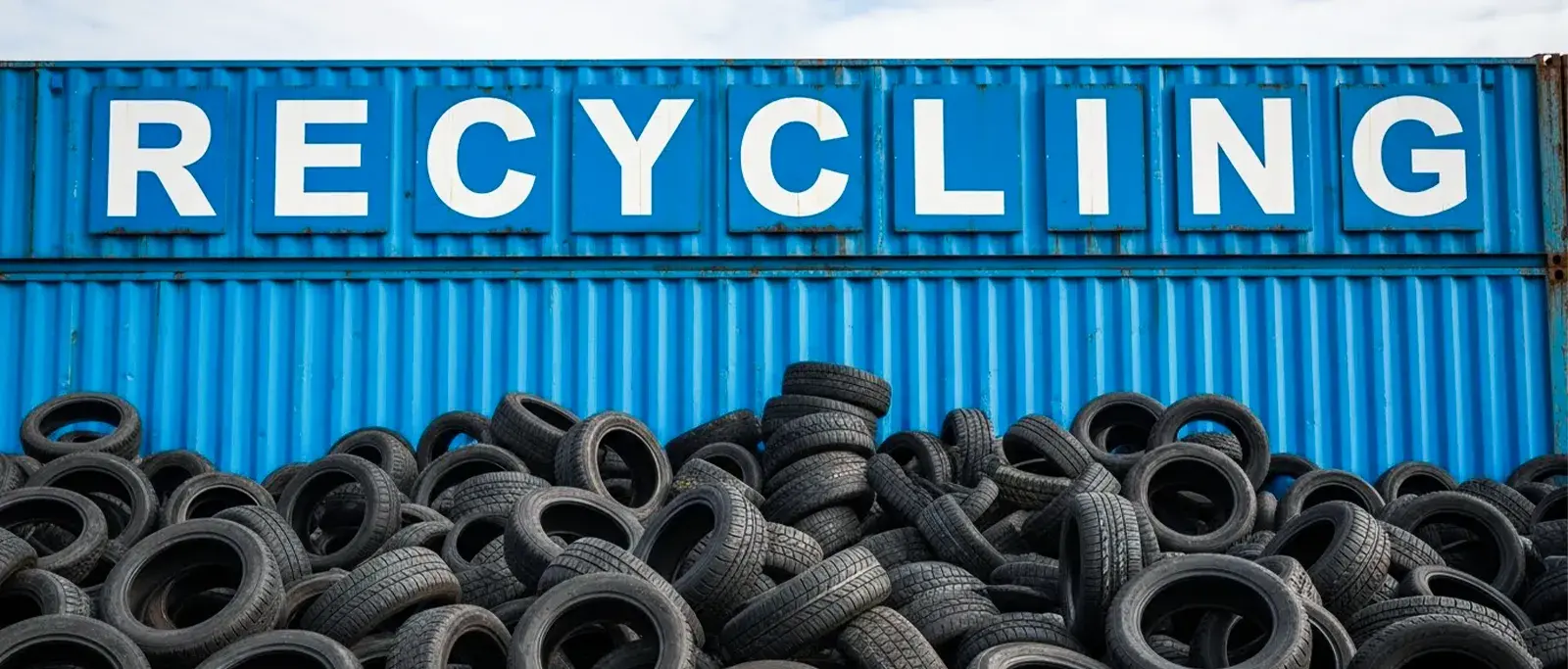
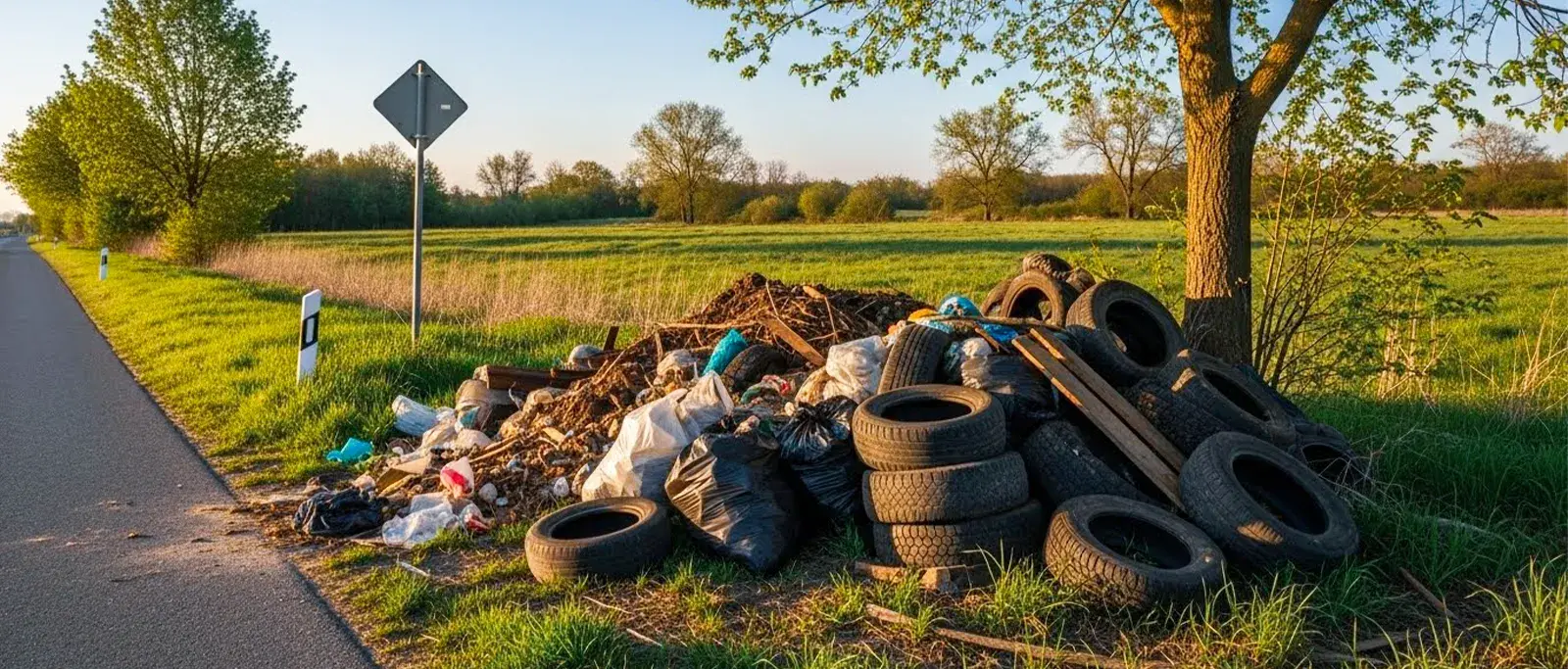
Rubens Tires Recycle tire recycling tips are at the heart of the Rubens Tires Recycle Blog – Tire Tips & Environmental Guides. At Ruben’s, we believe that every tire has a second life — and our mission is to empower Central Florida drivers with eco-friendly solutions for tire disposal, reuse, and sustainable driving. Whether you’re looking for how-to guides, expert insights, or just staying up to date with Rubens Tires Recycle news, this blog serves as your go-to resource for smarter, greener car care.
Our team regularly publishes the latest articles on tire waste management, highlighting real-world practices that reduce environmental impact. From DIY upcycling projects to understanding tyre waste FAQ topics, we’re breaking down complex topics into clear, actionable steps. Wondering how to get rid of old tires responsibly? We’ve got tire disposal advice from Rubens Tires Recycle backed by years of hands-on expertise.
Through this blog, you’ll also learn about tire recycling with Rubens Tires Recycle, including tips for identifying when tires are ready for replacement and where they go afterward. Our expert tips explore not only how to extend the life of your tires but also how recycling affects your community and the planet at large.
Rubens is proud to lead the charge in Central Florida with trusted, bilingual service and real sustainability. Our content isn’t just educational — it’s built to help you act. Dive into our curated resources and become part of a growing movement that values transparency, green innovation, and tire-to-road responsibility.
Check back often for updates as we grow our Rubens Tires Recycle how-to guides, post new recycling success stories, and continue serving as Florida’s trusted voice in tire care and environmental stewardship.
Rubens Tires Recycle Tire Recycling Tips – Smarter Disposal
Rubens Tires Recycle tire recycling tips empower everyday drivers and business owners to make smarter, eco-conscious decisions when it comes to tire disposal. In the United States, over 280 million tires are discarded each year, with nearly 15% still ending up in landfills or illegal dumping sites despite available recycling programs . At Rubens, we believe smarter disposal begins with better education. Our team advises that drivers first determine if their tires can be reused or retreaded—a solution that reduces waste and saves money. For tires past their life, Rubens connects customers with licensed tire recycling facilities in Central Florida that adhere to EPA guidelines. Proper disposal prevents hazardous stockpiles and avoids environmental threats like tire fires and groundwater contamination. With programs like Florida’s Waste Tire Management initiative gaining traction, smarter disposal methods are now more accessible than ever. By adopting Rubens’ proven strategies, drivers not only comply with regulations but contribute to long-term sustainability. We continuously update our guidance based on local legislation, recycling trends, and community needs. These tire recycling tips are more than advice—they’re part of our mission to build cleaner roads, greener neighborhoods, and a healthier Florida.
Rubens Tires Recycle Latest Articles – News You Can Use
Rubens Tires Recycle regularly publishes the latest articles to keep our community informed on new laws, green innovations, and tire recycling trends. With the tire waste crisis growing—over 1 billion tires globally reach end-of-life status each year—staying educated is more important than ever . Our articles cover everything from state-specific recycling mandates to the latest rubber reuse technologies, like tire-derived aggregate (TDA) in civil engineering and rubberized asphalt for highways. Rubens also dives deep into topics like extended producer responsibility (EPR) programs and how they may affect Florida residents in the coming years. We feature expert interviews, behind-the-scenes looks at local recycling centers, and insights into how Rubens’ own practices are adapting to improve efficiency and reduce carbon footprints. Whether you’re a tire shop owner, a fleet manager, or an environmentally conscious driver, our news section is tailored for practical use and updated weekly. According to the U.S. Tire Manufacturers Association, about 76% of scrap tires were reused or recycled in 2023—a number Rubens aims to increase by spreading awareness. Our blog is not just information—it’s a local roadmap for better recycling habits, created by the people who care most: your neighbors at Rubens.
Rubens Tires Recycle Eco-Friendly Solutions – Go Green Today
Rubens Tires Recycle offers eco-friendly solutions designed to tackle the mounting issue of tire waste while promoting community sustainability. Each year, more than 4 million tons of tires are discarded in the U.S. alone, yet many end-of-life tires can serve a second purpose in products like flooring, roads, and sports surfaces . At Rubens, we integrate cutting-edge recycling solutions including crumb rubber processing, devulcanization, and energy recovery to reduce landfill dependency. Our eco-friendly options are not limited to business operations—we empower local consumers too. By providing access to drop-off locations, guidance on tire-derived product purchases, and promoting green transportation alternatives, Rubens actively helps reduce the carbon footprint across Central Florida. We work closely with licensed recycling centers that follow strict EPA and Florida DEP protocols. Our blog shares measurable data and success stories, like how recycled tire materials are now used in over 20% of U.S. roadways through rubber-modified asphalt. Rubens believes that eco-friendly living isn’t just a personal choice—it’s a community responsibility. By choosing to recycle your tires with Rubens, you’re investing in a cleaner future while supporting job creation and green infrastructure. Together, we can turn waste into resources and pollution into progress.
Learn About Tire Recycling with Rubens Tires Recycle Blog
Learning about tire recycling has never been more critical, and Rubens Tires Recycle Blog is here to make it simple, engaging, and fact-driven. Tire waste poses a serious environmental challenge, with more than 1 billion tires stockpiled or discarded globally and an increasing need for circular waste strategies . Through our blog, Rubens explains the lifecycle of a tire—from use, to wear, to responsible recycling. Readers will gain insight into how materials like steel belts, synthetic rubber, and textile fibers are extracted and reused. We also explore the broader impact of tire recycling on pollution, landfill space, and even local economies. For example, recycled tires used in construction projects can lower project costs and reduce the use of raw materials. Studies show that using tire-derived fuel (TDF) can reduce emissions by over 25% compared to traditional fossil fuels in some industrial applications . The Rubens blog aims to be more than informational—it’s designed to guide action. Whether you’re a driver wondering where to recycle, or a business seeking greener practices, you’ll find everything you need here. At Rubens, our goal is to turn knowledge into sustainability, one blog post at a time.
Source:
Klean Industries
Tire Disposal Advice from Rubens Tires Recycle Experts
Rubens Tires Recycle experts urge vehicle owners to treat tire disposal as a responsibility — not a disposal afterthought. In the United States alone, approximately 280–290 million scrap tires are generated each year. Rather than letting worn‑out tires accumulate in sheds or near landfills — where old tires can become fire hazards or mosquito breeding grounds — Rubens recommends directing tires to licensed recycling or retread facilities. According to the latest from U.S. Tire Manufacturers Association (USTMA), 79% of end‑of‑life tires (ELTs) in 2023 were successfully diverted into sustainable end‑use markets. For consumers, that means roughly 8 out of every 10 tires you retire do not have to end up in a landfill. At Rubens, disposal advice includes: verifying tires are beyond retreadable life, checking local disposal fees (typically $1–$5 per tire in many states), and using authorized drop‑off locations. By following this guidance, drivers contribute to cleaner communities and help prevent the environmental and public health risks associated with improper tire stockpiling. Rubens Tires Recycle positions itself as a trusted partner in this process — simplifying disposal and ensuring responsible cycling of rubber.
Rubens Tires Recycle Expert Tips – DIY, Safety & More
At Rubens Tires Recycle, our expert tips go beyond disposal — we show you how to inspect, store, and handle tires safely before recycling or retreading. With an estimated 300 million scrap tires produced annually in the U.S., improper handling prior to disposal remains a significant risk. Our specialists recommend doing a visual check: inspect tires for severe tread wear, sidewall bulges, embedded objects, or side‑wall cracks. If tires fail safety standards, set them aside for recycling rather than storing them indefinitely. For DIYers with storage space: stack tires off the ground, cover them to protect from UV and moisture, and avoid storing them where water can accumulate — standing water inside tires invites mosquitoes and rodents. According to older environmental studies, scrap‑tire stockpiles have historically been linked to fire risk and insect‑borne disease spread when not managed properly. When transport to a recycling facility isn’t immediate, Rubens recommends bundling tires for transport to prevent damage and facilitate safe handling. These expert tips help tire owners reduce environmental hazards and make the recycling process smoother. With Rubens Tires Recycle guiding you, safe, responsible tire handling becomes part of regular vehicle maintenance — not an afterthought.
Source:
EPA
Rubens Tires Recycle How‑To Guides – Easy Step-by-Step Help
Rubens Tires Recycle’s how‑to guides are designed to walk you through every step of the tire life‑cycle — from evaluation to recycling — in clear, easy‑to‑follow instructions. Given that the U.S. annually produces around 280 million scrap tires, according to recent industry estimates, the demand for clear guidance has never been greater. Our guides begin with determining when a tire is no longer serviceable, moving to options like retreading, resale (if safe), or recycling. For those opting to recycle, the guide instructs how to locate certified centers, understand disposal fees, and prepare tires for transport (e.g., remove rims, clean excess debris). As of 2023, the U.S. Tire Manufacturers Association reports that 79% of end-of-life tires are now diverted into beneficial reuse or recycling markets — up from 71% just a few years earlier. By following Rubens’ how‑to process, consumers increase the odds their tires contribute to the circular rubber economy instead of filling landfill space. Additionally, our guides cover what happens post‑recycling: whether tires become crumb‑rubber for playgrounds, rubber‑modified asphalt, tire‑derived fuel, or civil‑engineering aggregate. When you follow Rubens Tires Recycle how‑to help, each step you take helps turn unwanted tires into useful resources, reducing waste and supporting sustainable communities.
Rubens Tires Recycle Tyre Waste FAQ – Get Informed Fast
The Rubens Tires Recycle Tyre Waste FAQ is a distilled resource of common questions — answered clearly and backed by data — to help users make informed, eco‑conscious decisions about tire waste. For example: “How many tires are discarded each year in the U.S.?” Answer: about 280‑290 million scrap tires annually. Another frequent concern: “What percentage of tires are actually recycled?” According to the 2023 report from the U.S. Tire Manufacturers Association, 79% of end-of-life tires now enter beneficial reuse markets. The FAQ also tackles misconceptions, such as the idea that all recycling ends at rubber mulch: in reality, retired tires are used for rubber‑modified asphalt, tire‑derived fuel, civil‑engineering projects, and more. Through easy-to-read answers, the FAQ helps users understand disposal fees, state‑by‑state recycling regulations, retreading eligibility, and the environmental hazards of improper disposal (like landfill overcrowding, fire risk, and mosquito breeding). Old tires can take decades to decompose — and stockpiling them poses long-term risks to water quality and soil health. By reading and using the Rubens Tires Recycle FAQ, car owners, fleet managers, and recyclers alike can make better, data-driven decisions on tire end-of-life — reducing waste, hazards, and environmental impact.
Source:
Recycling Product News
Rubens Tires Recycle News – What’s Happening in the Industry
Rubens Tires Recycle News brings you the latest developments in tire recycling: new regulations, market growth, technology advances, and environmental initiatives shaping the industry. According to the 2023 U.S. Tire Manufacturers Association report, the rate of end-of-life tires entering sustainable end‑use markets has climbed to 79%, representing a 10.5% increase over prior years. Global market analysts now estimate the worldwide tire recycling industry will hit US$ 19.24 billion by 2033, reflecting accelerating demand for recycled rubber, crumb rubber, and tire‑derived products. Recent articles featured on Rubens Tires Recycle cover how state-level legislation is strengthening tire disposal laws, how recycled rubber is being increasingly used in infrastructure projects, and how advances in technology — from devulcanization to improved crumb rubber processing — are creating higher‑value end markets for scrap tires. This upward industry trend is good news for both the environment and consumers, because it increases options for responsible disposal and repurposing. By following Rubens Tires Recycle News, you stay informed on where the industry is headed — and how you can be part of the shift toward sustainable tire management.
Source:
Globenewswire